Nearshoring Logistics in Mexico: Complete Guide for Foreign Companies (2026)
Discover how nearshoring logistics in Mexico is reshaping the North American supply chain. Learn key warehouse requirements, technical benchmarks, and why Monterrey is the ultimate hub for foreign companies in 2026.

The global manufacturing landscape has fundamentally shifted. Driven by supply chain vulnerabilities exposed over the early 2020s, rising transpacific freight volatility, and shifting geopolitical dynamics, industrial relocation is no longer a strategic option—it is an operational imperative.
At the absolute center of this paradigm shift is Mexico. Specifically, the country's northern industrial corridors have evolved from regional manufacturing hubs into the definitive nerve center for North American manufacturing.
For foreign directors, vice presidents of supply chain, and chief operating officers looking to establish or expand operations, navigating the logistical ecosystem of Mexico requires more than just capital; it requires a granular understanding of infrastructure, regulations, and localized operational workflows.
This comprehensive guide breaks down everything a foreign enterprise needs to know about executing nearshoring logistics in Mexico, with a dedicated focus on why selecting the right warehouse nearshoring Mexico Monterrey configuration is the single most critical decision for your cross-border supply chain in 2026.
1. The 2026 Nearshoring Landscape: Why Mexico?
The macroeconomic indicators for Mexico’s industrial sector have broken historical records for consecutive years. As European and North American manufacturers pull production lines out of Asia, Mexico has solidified its position as the primary trading partner to the United States.
Time-to-Market
Transit cut from 35 days across ocean lanes to under 48 hours via land freight.
USMCA Framework
Guaranteed 0% tariff access to the North American market under protective legal rules.
Cost Efficiency
Optimized Total Cost of Ownership (TCO) with reduced transport overhead and skilled labor.
This structural shift is powered by three undeniable competitive advantages:
- Unmatched Time-to-Market: Shipping a container from East Asia to the US Mainland typically requires 21 to 35 days across volatile ocean lanes. In contrast, land freight moving through Mexican logistical corridors can cross the US border in as little as 24 to 48 hours.
- The USMCA Framework: The United States-Mexico-Canada Agreement provides a stable, predictable, and highly protective legal framework. It guarantees zero-tariff access for compliant goods, making integrated North American supply chains remarkably resilient.
- Total Cost of Ownership (TCO) Optimization: While direct labor costs in traditional offshore destinations have risen steadily, Mexico offers a highly skilled, specialized engineering and manufacturing workforce at a highly competitive cost structure, coupled with drastically lower inbound and outbound transport costs.
However, moving production close to your primary market does not automatically eliminate supply chain friction. The success of your relocation project depends entirely on the design of your local warehousing, storage, and material handling infrastructure.
2. Navigating the Core Industrial Corridors of Mexico
While nearshoring activity spans several regions across the country, industrial demand is highly concentrated. Foreign companies must evaluate these regions not just by the availability of real estate, but by the maturity of the surrounding logistical network.
The Northern Border Tier (The Epicenter)
States like Nuevo León, Coahuila, Baja California, and Chihuahua absorb the vast majority of nearshoring capital. This region specializes in heavy industry, automotive, aerospace, and advanced electronics. Infrastructure here is explicitly designed for seamless cross-border overland freight.
The Bajío Region (The Manufacturing Belt)
Encompassing states like Querétaro, Guanajuato, San Luis Potosí, and Jalisco, this region is a powerhouse for the automotive and aerospace tiers. It offers an excellent internal logistics network and connects efficiently to both western and eastern maritime ports.
The Central Hub
Centered around Mexico City and the State of Mexico (Edomex), this zone is primarily focused on domestic consumption, e-commerce fulfillment, and large-scale regional distribution rather than direct export manufacturing.
3. Monterrey: The Logistics Capital of Nearshoring
When foreign corporations run multi-criteria decision analyses for plant and warehouse location selection, one city consistently emerges as the definitive choice.
Monterrey, the capital of the northeastern state of Nuevo León, is the industrial engine of Latin America. Securing an optimized warehouse nearshoring Mexico Monterrey setup has become the ultimate benchmark for efficient supply chain design.
Monterrey Metropolitan Area (MMA)
The Strategic Crossroads of North American LogisticsStrategic Geographic Proximity
Monterrey sits roughly 140 miles (225 km) south of the US-Mexico border. This proximity allows for same-day dispatch and border-crossing operations. It serves as the natural collection and consolidation point for freight originating from the interior of Mexico before it heads northbound via Interstate 35 or Interstate 69 corridors.
World-Class Industrial Infrastructure
The Monterrey Metropolitan Area boasts an extensive network of Class-A industrial parks. These developments provide foreign enterprises with access to redundant power grids, high-capacity industrial water supplies, advanced telecommunications, and 24/7 private security infrastructure.
High-Density Transport Connectivity
Monterrey is the intersection point for Mexico’s primary freight transport networks:
- Highway Access: Direct access to Federal Highway 85 (the primary trade artery to Laredo, Texas) and Highway 57, which links the industrial heartland of Mexico to the US border.
- Rail Infrastructure: Dual-served connectivity by both major Mexican rail networks (CPKC and Ferromex), enabling seamless intermodal transport directly into US and Canadian rail systems without chassis swapping at the border.
4. Key Warehousing Challenges Face by Foreign Companies
Entering a new market introduces a steep learning curve. Companies that attempt to replicate their domestic warehousing strategies in Mexico without local adaptation frequently encounter severe operational bottlenecks.
Understanding these challenges allows you to mitigate them during the planning phase.
A. The Industrial Real Estate Crunch (Class-A Scarcity)
Because of the massive influx of multinational corporations, vacancy rates for Class-A industrial warehouses in premium markets like Monterrey have hovered near historic lows (frequently below 2%). Finding ready-to-occupy square footage can be exceptionally difficult.
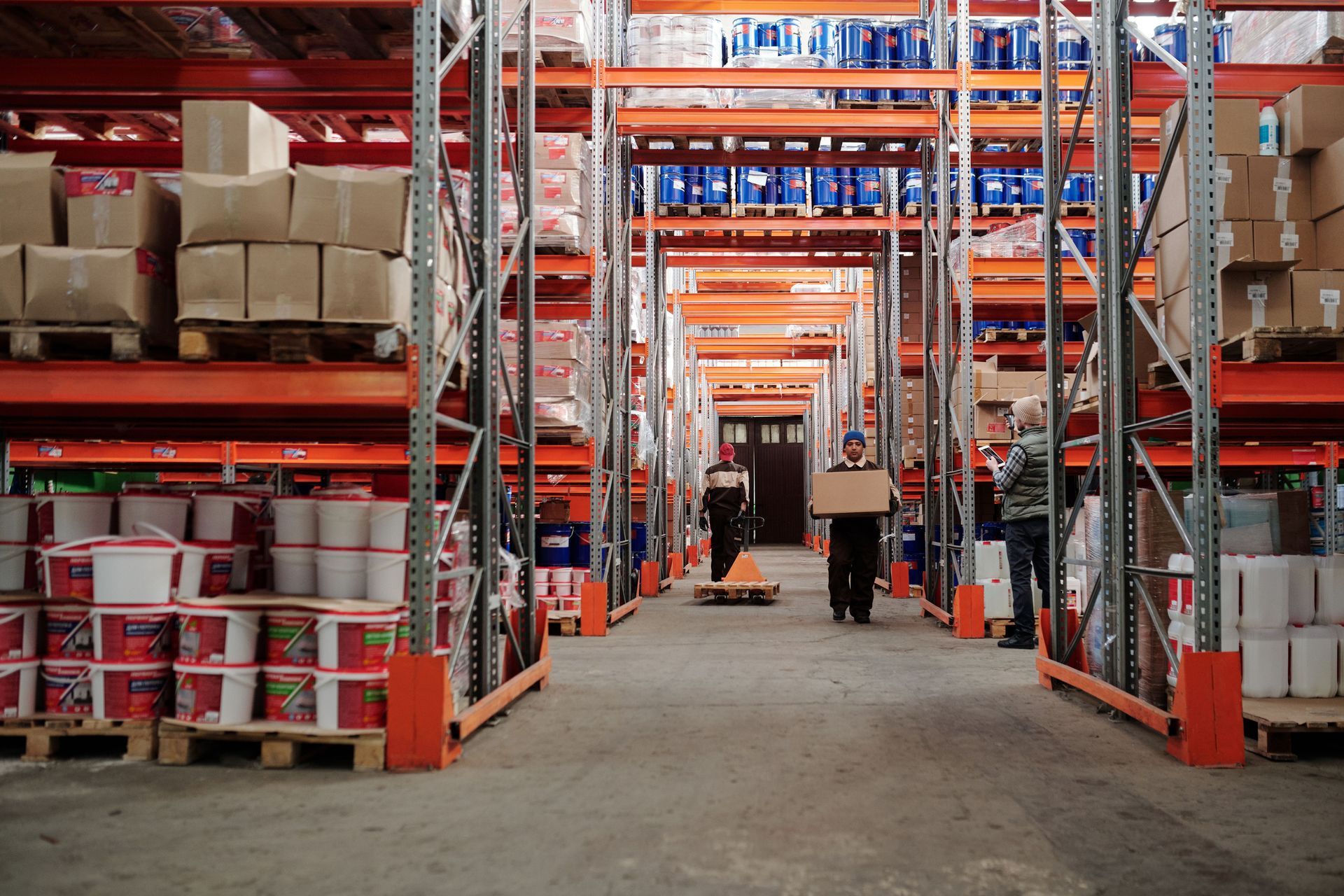
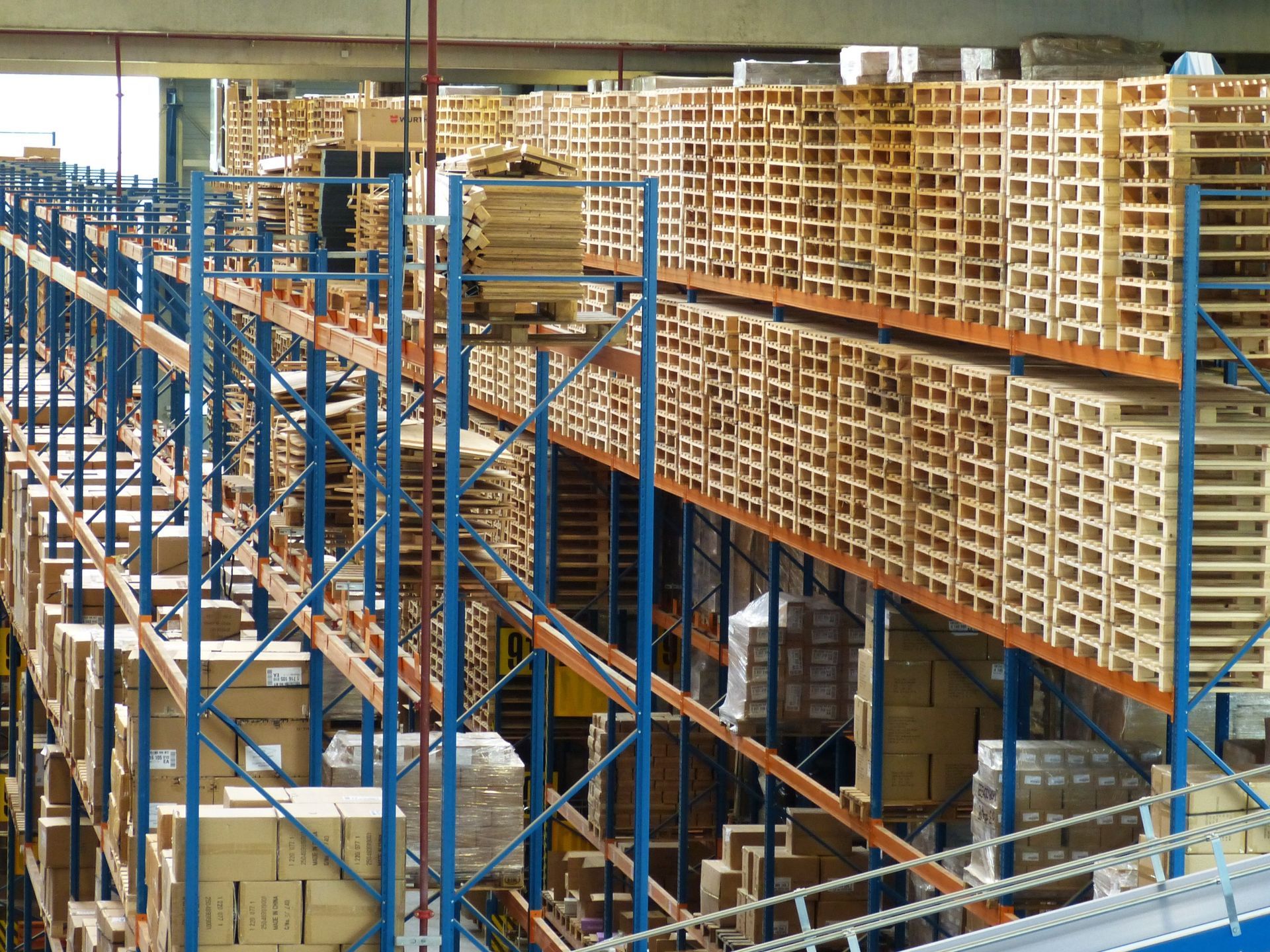
Strategic Insight: Success in 2026 requires moving away from the traditional model of leasing massive, flat, underutilized floor space. Foreign companies must focus on cubic space optimization. Utilizing high-density storage configurations, specialized racking systems (such as selective, drive-in, or push-back systems), and mezzanine structures allows you to maximize storage capacity within a smaller, more available real estate footprint.
B. Severe Supply Chain Bottlenecks and Lead Times
The global demand for industrial components has led to extended lead times for warehousing equipment. Waiting for specialized steel racking structures, automated conveyors, or heavy material handling equipment to be imported from overseas can delay plant launches by 6 to 12 months.
Working with an established, vertically integrated domestic supplier who designs, engineers, and manufactures heavy-duty industrial storage systems directly within Mexico eliminates international freight delays and customs risks, keeping your launch timeline on schedule.
C. Navigating Mexican Customs and Compliance Frameworks
Operating under Mexican trade frameworks requires strict adherence to local regulations. Foreign companies must understand mechanisms such as:
- IMMEX Program: Allows foreign manufacturers to import raw materials and equipment into Mexico temporarily, duty-free, provided the finished goods are subsequently exported.
- Fiscal Bonded Warehouses (Depósito Fiscal): Specialized warehousing spaces authorized by Mexican tax authorities (SAT) that allow you to store imported goods indefinitely without paying duties or VAT until the merchandise is formally withdrawn for domestic sale or export.
5. Technical Requirements for Nearshoring Warehouses
To ensure your Mexican warehousing operations support high-velocity international supply chains, your facilities must meet strict structural and functional specifications.
When evaluating a warehouse nearshoring Mexico Monterrey opportunity, look for the following engineering and operational benchmarks:
Clear Height and Vertical Volume
Modern logistics requires verticality. Ensure warehouses provide a minimum clear height of 32 to 36 feet (10 to 11 meters). This height allows for the installation of 6-to-7-tier selective pallet racking systems, effectively multiplying your storage capacity per square meter and reducing your overall real estate lease overhead.
Floor Load Capacity and Flatness
Industrial manufacturing support warehouses handle immense weight, from heavy tooling components to densely packed raw materials. Floor slabs must feature high-performance, fiber-reinforced concrete with a minimum load-bearing capacity of 6 to 8 tons per square meter. Furthermore, super-flat floor classification (FF/FL numbers aligned with ASTM standards) is critical if you plan to operate Very Narrow Aisle (VNA) wire-guided turret trucks or high-reach forklifts.
Dock Configuration and Yard Logistics
Cross-border logistics demands high-throughput dock configurations. A standard Class-A benchmark is to maintain a ratio of one dock door per 10,000 square feet of warehouse space. Loading docks must be equipped with heavy-duty hydraulic levelers, dock seals, and integrated vehicle restraints. The truck yard deepness must be a minimum of 130 feet (40 meters) to allow seamless maneuvering for standard 53-foot dry vans and double-trailer combinations (fulles).
Regulatory Compliance and Fire Suppression
Foreign insurers (such as FM Global or AXA) demand rigorous risk-mitigation infrastructure. Warehouses must be equipped with fully certified fire protection systems featuring early-suppression fast-response (ESFR) overhead sprinklers, independent diesel-powered pump houses, and high-capacity water storage cisterns that comply directly with National Fire Protection Association (NFPA) codes.
6. Checklist: Selecting Your Logistics and Warehousing Infrastructure in Mexico
Before signing a long-term lease or investing capital into a Mexican facility, ensure your operations team has thoroughly validated this checklist:
- [ ] Location & Accessibility: Is the facility situated within an established industrial park with direct, secure toll-road (autopista) access to the US border, minimizing transit through high-traffic urban centers?
- [ ] Power Grid Capacity: Does the facility have a dedicated electrical substation or guaranteed KVA allocation sufficient to power both your storage systems and any potential light assembly or manufacturing machinery?
- [ ] Scalability Options: Does the industrial park or warehouse layout allow for modular, physical expansion if your production volume doubles over the next 24 to 36 months?
- [ ] Racking and Storage Layout Integration: Has the building layout been designed in tandem with your material handling flow, ensuring that column spacing (bays) perfectly matches your racking aisle requirements?
- [ ] Labor Pool Proximity: Is the site well-connected to public transportation arteries, ensuring access to the specialized operating talent required to run modern warehouse management software (WMS) and precision material handling equipment?
7. Comparative Analysis: Warehouse Layout Strategies
Choosing the right internal layout configuration directly dictates your picking efficiency, labor utilization, and inventory accuracy. Below is a comparative breakdown of the three primary storage methodologies deployed by foreign companies nearshoring in Mexico today:
| Layout Methodology | Selective Pallet Racking | Drive-In / Drive-Through Racking | High-Density Push-Back or Pallet Flow |
|---|---|---|---|
| Space Utilization Efficiency | Medium (Requires numerous wide or narrow aisles). | High (Eliminates operating aisles entirely). | Very High (Utilizes dynamic gravity lanes or shuttles). |
| SKU Granularity & Accessibility | 100% Immediate Access to every individual pallet. | Low (Best suited for high volumes of identical SKUs). | Medium (Operates on strict LIFO or FIFO principles per lane). |
| Inventory Flow Principle | Highly flexible (Supports both FIFO and LIFO). | Strict LIFO (Last-In, First-Out) or FIFO if dual-sided. | Optimized for high-throughput FIFO (First-In, First-Out). |
| Capital Investment (ROI Type) | Low initial capital expenditure; rapid deployment. | Moderate investment; specialized installation required. | Higher initial hardware cost; justified by rapid labor and space savings. |
| Ideal Application Lifecycle | Distribution centers managing highly diverse SKU catalogs. | Storing bulk raw materials, seasonal buffers, or mass packaging. | High-velocity components for JIT automotive or manufacturing supply feeds. |
Conclusion: Securing Your Supply Chain in the Nearshoring Era
The decision to transition your manufacturing footprint to Mexico is a powerful move to insulate your enterprise from macroeconomic instability and drastically reduce your time-to-market. However, the operational reality of nearshoring logistics in Mexico is won or lost on the floor of your warehouse.
Without highly strategic storage design, robust material handling infrastructure, and an experienced local network that understands the speed and precision required by global markets, your facility can rapidly transform from a competitive advantage into a severe supply chain bottleneck.
To succeed in high-stakes environments like Monterrey, you need more than a real estate broker—you need an end-to-end industrial infrastructure partner. You need a collaborator who can transform raw square footage into an optimized, high-density, fully compliant logistics machine that functions as a seamless extension of your global supply chain.
Optimize Your Cross-Border Logistics Strategy Today
Don't let real estate constraints, equipment delays, or localized regulatory complexities slow down your transition to Mexico. Ensure your nearshoring launch is seamless, compliant, and engineered for maximum operational efficiency from day one.
[Request a free logistics consultation] with the industrial infrastructure and warehouse engineering experts at Grupo Dolsa. Let our specialized team design, equip, and optimize the ideal storage solution tailored explicitly to your operational workflows and cross-border commercial objectives.
Recent Posts