Inventory Control in Mexican Manufacturing: Best Practices and Systems (2026)

Adry Robledo • 22 de julio de 2026

Share this article

Discover the essential inventory control KPIs for Mexican manufacturing in 2026. Optimize inventory accuracy, cross-border lead times, and Annex 24 compliance.

Inventory Control in Mexican Manufacturing: Best Practices and Systems KPI

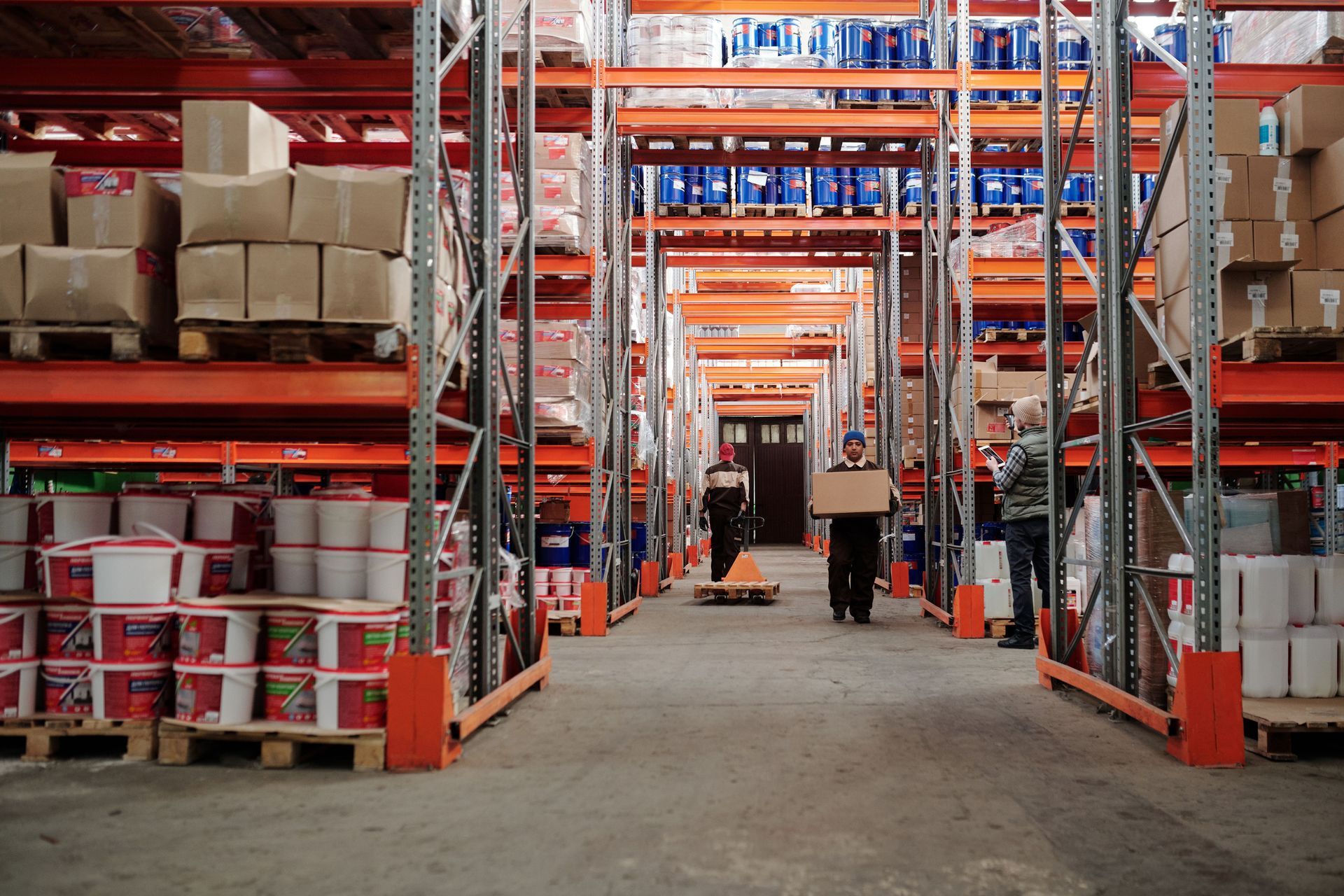
As North American supply chains continue their historical realignment, Mexico has solidified its position as the premier nearshoring destination for manufacturing across aerospace, automotive, electronics, and medical devices. However, establishing or expanding production facilities in industrial hubs such as Monterrey, Saltillo, and Tijuana brings a unique set of operational challenges. Chief among them is inventory control in manufacturing in Mexico.


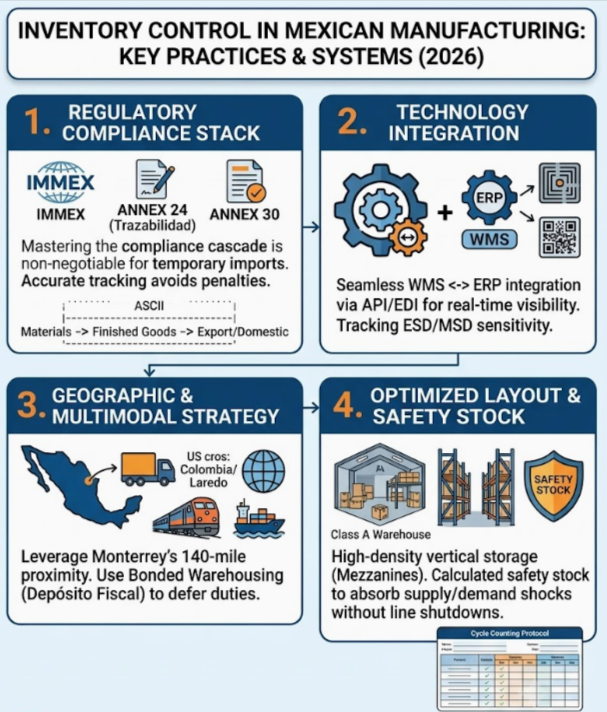
Managing raw materials, work-in-process (WIP), and finished goods across the U.S.-Mexico border requires far more than standard warehouse management. It demands strict alignment with Mexican tax and customs regulations (specifically the IMMEX program, Annex 24, and Annex 30), seamless integration between global Enterprise Resource Planning (ERP) systems and local operations, and robust inventory control protocols adapted to regional logistics.


This technical guide provides procurement, supply chain, and operations executives with an actionable framework for mastering inventory control in manufacturing in Mexico, highlighting compliance requirements, technological standards, and strategic best practices for 2026.


1. The Regulatory Context: Customs, Tax, and Legal Standards


In Mexico, manufacturing inventory management is inextricably linked to legal and fiscal compliance. Mismanaging inventory tracking does not merely lead to stockouts or excess holding costs; it can result in severe customs penalties, suspension of import privileges, or substantial back taxes.


+-----------------------------------------------------------------------+

| MEXICAN MANUFACTURING INVENTORY STACK |

+-----------------------------------------------------------------------+

| Global ERP (SAP / Oracle) --> Financial & Master Data Layer |

+-----------------------------------------------------------------------+

| Local WMS (Real-time WMS) --> Operational Floor Execution Layer |

+-----------------------------------------------------------------------+

| Annex 24 / 30 Compliance --> Legal & Customs Audit Layer (SAT) |

+-----------------------------------------------------------------------+


The IMMEX Program Framework


The IMMEX Program (Industria Manufacturera, Maquiladora y de Servicio de Exportación) allows foreign companies to temporarily import raw materials, components, and machinery into Mexico duty-free, provided the finished products are subsequently exported within specified statutory timeframes (typically 18 to 36 months depending on the industry and certification level).


Annex 24 (Anexo 24): Automated Inventory Control


To maintain IMMEX privileges, foreign manufacturers must operate an automated inventory control system compliant with Annex 24 of the Mexican Foreign Trade General Rules. Annex 24 tracks:


  • Temporary entry data: Import pedimentos, customs codes, quantities, and commercial values.
  • Manufacturing consumption: Bill of Materials (BOM) explosion, scrap/waste factors, and yield rates.
  • Export data: Export pedimentos, virtual transfers, and discharge records.


Key Takeaway: Your standard domestic Warehouse Management System (WMS) cannot satisfy Annex 24 on its own unless it explicitly interfaces with specialized Mexican customs management software or an experienced 3PL partner equipped with automated compliance tools.


Annex 30 (Anexo 30): Tax & Credit Control System


Introduced to regulate VAT (IVA) and Excise Tax (IEPS) credits for temporary imports, Annex 30 functions as the Tax Administration Service's (SAT) credit-and-debit ledger. Every temporary import debits your VAT credit account; every verified export credits it. Discrepancies between physical floor inventory and Annex 30 records trigger immediate tax assessments.


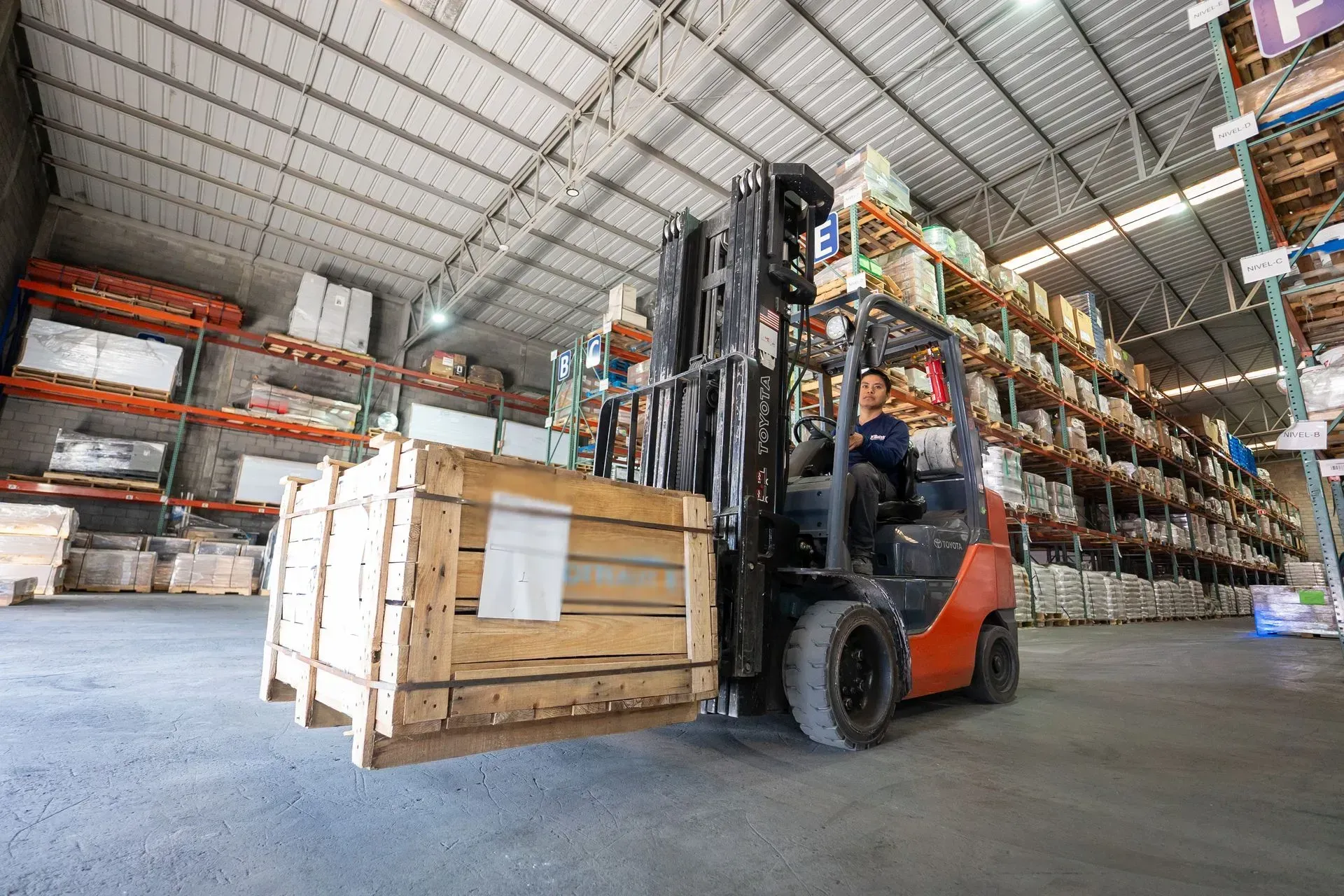
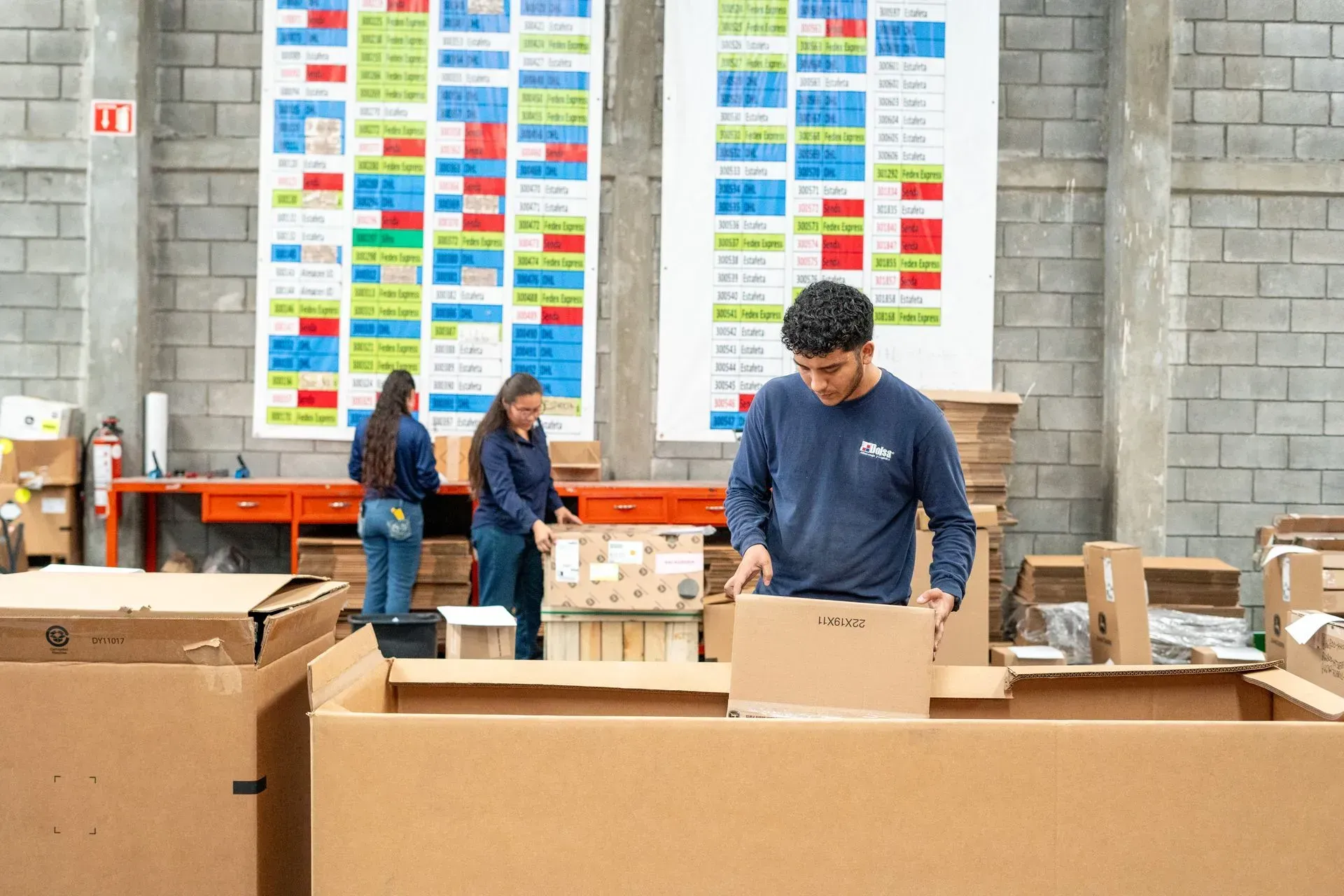
Inventory Control in Mexican Manufacturing: Best Practices and Systems KPI


2. Core Challenges in U.S.-Mexico Cross-Border Inventory Management


Executing inventory management in Mexico logistics requires navigating specific operational friction points that differ from domestic U.S. or European operations.


A. Lead-Time Volatility at Port-of-Entry & Border Crossings


While cross-border transit from Monterrey to Texas takes hours under normal conditions, customs inspections, customs broker delays, driver shortages, and seasonal bridge congestion (e.g., at World Trade Bridge or Colombia Solidarity Bridge) can introduce lead-time variances of 24 to 72 hours.


To mitigate this volatility, manufacturers often over-index on buffer stock, which ties up working capital and consumes scarce Class A industrial floor space.


B. High-Density Electronics & Component Sensitivity (ESD/MSD)


With the rapid expansion of electronics manufacturing in Northern Mexico, inventory control must extend to environmental and ESD (Electrostatic Discharge) standards. Moisture-Sensitive Devices (MSDs) require strict Floor Life tracking from the moment moisture-barrier bags are opened. Failure to track environmental exposure times leads to component degradation ("popcorning") during SMT reflow assembly.


+-----------------------------------------------------------------------+

| MSD FLOOR LIFE TRACKING FLOW |

| |

| [Sealed MBB Bag] --> [WMS Scan @ Unpack] --> [Floor Life Timer Starts]|

| | |

| [Reflow Assembly] <-- [Bake-Out Cycle (If Expired)] <--+ |

+-----------------------------------------------------------------------+


C. ERP-to-Floor Visibility Gaps


Corporate headquarters in the U.S. or Europe often rely on global ERP instances (SAP S/4HANA, Oracle Cloud, Microsoft Dynamics 365). However, local floor actions in Mexican sub-assembly plants—such as physical movement, scrap recording, and kitting—are frequently delayed or recorded manually, creating a dangerous discrepancy between system stock and physical stock.


3. Best Practices for Manufacturing Inventory Control in Mexico


To achieve operational excellence and safeguard profit margins, global manufacturers operating in Mexico should implement five core practices:


1. Transition from Annual Audits to Perpetual Cycle Counting


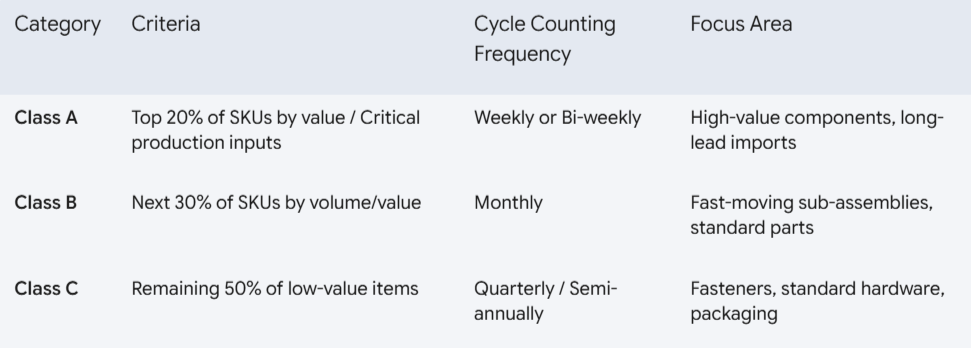
Traditional annual physical inventory shutdowns are costly and disruptive to high-velocity nearshoring operations. Implementing ABC classification-based perpetual cycle counting ensures continuous inventory accuracy above 99.5%.


2. Enforce Strict Lot, Serial, and Date Code Traceability (FIFO / FEFO)


Every pallet, bin, and tote entering a Mexican manufacturing facility must carry standardized barcode/DataMatrix labels containing:


  • Internal SKU number
  • Manufacturer Lot / Batch Number
  • Import Pedimento Number (essential for Annex 24 linking)
  • Date of Receipt / Expiration Date


Systems must enforce strict First-In, First-Out (FIFO) or First-Expired, First-Out (FEFO) picking rules to prevent aged stock, obsolete materials, and customs expiration penalties under IMMEX rules.


3. Implement Dynamic Kitting & Line-Side Replenishment (Kanban / JIT)


Minimizing floor inventory requires decoupling bulk storage from line-side staging. Utilizing a structured kitting process or dynamic Kanban pull systems:


  • Reduces WIP inventory on the shop floor by up to 40%.
  • Keeps high-value inventory protected inside secure, high-density warehouse areas until needed.
  • Facilitates sequenced Just-In-Time (JIT) deliveries directly to assembly cells.


4. Optimize Cubic Space Utilization


Given that industrial real estate vacancy rates in manufacturing hubs like Monterrey remain tight, efficient inventory management requires maximizing cubic volume rather than square footage. Strategies include:


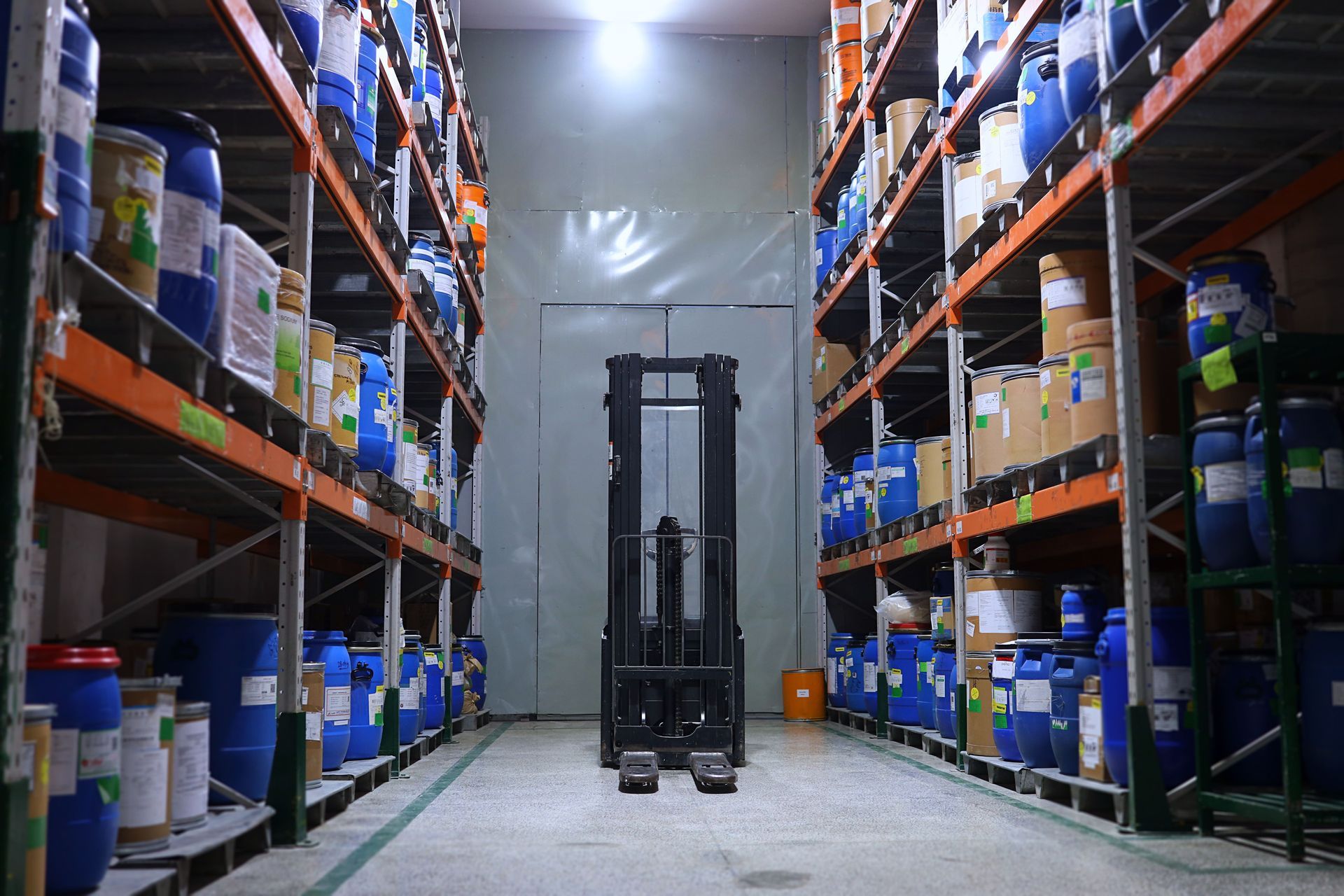
  • High-density selective racking configured for 32+ feet clear height.
  • Mezzanine structures for kitting, quality inspection, and light assembly.
  • Narrow Aisle (VNA) material handling equipment to decrease aisle widths and increase storage capacity by 30–50%.


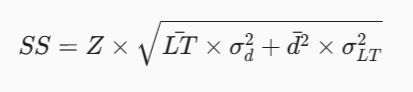
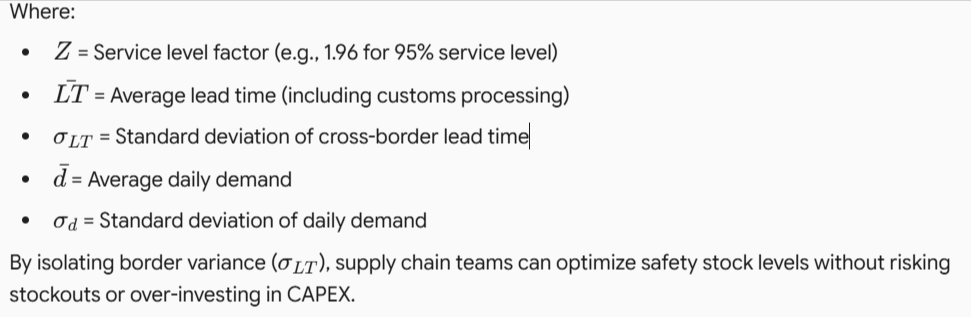
5. Establish Calibrated Safety Stock Models for Border Dynamics

Safety stock calculations for Mexican facilities cannot use static historical averages. Formulae must incorporate cross-border transportation variance 


Donde: 


4. Technology Stack Requirements for Nearshoring Logistics


Modern inventory control in manufacturing in Mexico requires a tightly integrated technology stack capable of communicating across borders in real time.


+--------------------------------------------------------------------+

| MEXICO NEARSHORING TECH STACK |

+--------------------------------------------------------------------+

| U.S. Corporate HQ --> Global ERP (SAP / Oracle / Dynamics) |

| ^ |

| API / EDI |

| v |

| Mexico Plant / 3PL --> Real-Time WMS (Cloud & Mobile Scanners) |

| | |

| Automated |

| v |

| Trade & Tax Compliance --> Annex 24 / Annex 30 Management System |

+--------------------------------------------------------------------+


Essential Technology Capabilities:


  1. API / EDI Direct Integration: Real-time data exchange via AS2, REST APIs, or EDI (856 ASN, 940 Shipping Order, 947 Inventory Adjustment) between host ERPs and warehouse facilities.
  2. 2D Barcode & DataMatrix Scanning: Handheld RF scanners and fixed industrial readers that validate part numbers, lot codes, and pedimentos at point-of-use.
  3. RFID & Real-Time Location Systems (RTLS): Used for automated yard management, returnable container tracking (totes, metal racks), and high-value asset monitoring.
  4. Cloud-Based Client Visibility Portals: Providing international procurement managers 24/7 visibility into stock levels, order status, and inventory accuracy KPIs from any device globally.


5. Build vs. Partner: The Strategic Role of Specialized 3PLs in Mexico


When expanding manufacturing operations to Mexico, executive leadership faces a key strategic decision: Should you invest CAPEX to build, lease, equip, and staff an internal warehouse infrastructure, or partner with an established Third-Party Logistics (3PL) provider?


The Internal Infrastructure Route (Build / Self-Operate)


  • High CAPEX: Substantial upfront investment in long-term lease commitments, racking systems, material handling equipment, WMS licensing, and security infrastructure.
  • Extended Time-to-Market: Setting up a dedicated facility, securing permits, and hiring qualified warehouse personnel often takes 12 to 18 months.
  • Operational Risk: Direct exposure to labor turnover, regulatory updates, and inventory variance liability under Mexican customs law.


The Specialized 3PL Route (Outsourced Logistics)


  • OPEX Model: Converts fixed capital expenditures into variable operational expenses tied directly to inventory volume and throughput.
  • Rapid Deployment: Operational setup completed in weeks using existing Class A warehouse space, pre-certified processes, and trained personnel.
  • Built-in Compliance & Expertise: Leveraging an established 3PL—such as Grupo Dolsa in Monterrey—provides immediate access to IMMEX-ready warehousing, Annex 24/30 interface capabilities, ESD/MSD environmental controls, and direct connectivity to cross-border freight routes.


Inventory Control in Mexican Manufacturing: Best Practices and Systems KPI


Conclusion: Turning Inventory Control into a Nearshoring Advantage


In the fast-paced 2026 manufacturing environment, inventory control in manufacturing in Mexico is no longer just a tactical warehouse responsibility—it is a core strategic lever. Companies that master regulatory compliance, adopt integrated WMS technologies, and optimize cross-border inventory flows achieve faster time-to-market, lower working capital requirements, and complete supply chain resilience.


Whether establishing a new facility or optimizing existing operations in Mexico's premier industrial corridors, partnering with an experienced 3PL provider can eliminate operational friction and accelerate growth.


Streamline Your Manufacturing Logistics in Mexico


At Grupo Dolsa, we deliver tailored 3PL solutions, Class A industrial warehousing, and smart inventory management engineered for international manufacturers in Monterrey and across Northern Mexico.


👉 [Request an Engineering Logistics Audit for Mexico]

Contact our logistics engineering team at www.grupodolsa.com to evaluate your inventory flows, compliance requirements, and custom warehouse design.

Recent Posts

3PL en México para nearshoring: cómo evaluar y elegir al proveedor correcto
por Adry Robledo 6 de julio de 2026
¿Buscas un 3PL en México para nearshoring? Conoce los criterios técnicos, legales y operativos para elegir un tercero logístico y evitar riesgos en tu cadena de suministro. 
Logística para manufactura electrónica en México: retos de almacenaje y trazabilidad
por Adry Robledo 22 de junio de 2026
¿Planeas la expansión de tu planta tecnológica? Conoce los retos críticos en la logística de manufactura electrónica en México, desde el almacenaje ESD hasta la trazabilidad en tiempo real.
Nearshoring Logistics in Mexico: Complete Guide for Foreign Companies (2026)
por Adry Robledo 16 de junio de 2026
Discover how nearshoring logistics in Mexico is reshaping the North American supply chain. Learn key warehouse requirements, technical benchmarks, and why Monterrey is the ultimate hub for foreign companies in 2026.
Sistema de trazabilidad para almacenes industriales: comparativa de soluciones 2026, almacén
por Adry Robledo 9 de junio de 2026
¿Buscas el mejor sistema de trazabilidad para almacén industrial? Comparamos las soluciones 2026 y te mostramos por qué la tecnología de Dolsa es la opción ideal.
Outsourcing logístico en México para industrias de manufactura
1 de junio de 2026
Outsourcing logístico en México: cuándo conviene, cómo elegir operador y qué esperar para manufactura, con enfoque práctico y datos verificables.
Supply chain para nearshoring en México: guía para el primer año de operación
por Adry Robledo 25 de mayo de 2026
El reto de la relocalización no termina con la construcción de la planta. Conoce la hoja de ruta crítica para estructurar una operación logística resiliente, segura y eficiente desde el primer día.
Mujer trabajando para manufactura mexicana en 2026
18 de mayo de 2026
Descubre los 5 retos de la manufactura mexicana en 2026 y cómo optimizar tu estrategia de almacenamiento en Monterrey ante el nearshoring. ¡Entra ya!
Barómetro Logístico Industrial México 2026: hallazgos y tendencias del sector
por Adry Robledo 11 de mayo de 2026
El mapa de ruta basado en datos e indicadores clave de rendimiento que define la competitividad de las cadenas de suministro en el año de la consolidación operativa de la relocalización industrial.
logística para la industria automotriz en México
4 de mayo de 2026
Claves de la logística para la industria automotriz en México: afronta la electromovilidad y el nearshoring con almacenamiento eficiente en Monterrey.
por Adry Robledo 27 de abril de 2026
¿Operas bajo el paradigma de la suposición o la certeza? Descubre cómo la visibilidad instantánea de cada SKU transforma la rentabilidad de las plantas manufactureras.
Show More